
『皆さん、どうして怒らないのですか??
後10日したら、皆さんの給料が2%さがるんですよ!!
学生さんのお小遣いも、子供のお小遣いさえ2%さがるんですよ。政府が取り上げるんですよ!!
国税庁の民間給与実態調査(当てにならない)によると、日本人の平均年収は432万円。2%で86,400円、黙って無条件で国が持っていってしまうのです。「何だ、そんな程度か」と思っているあなたは恵まれています。人数で言えば平均年収以下の人のほうがずっと多い。
毎日チラシを見て1円でも安い牛乳、野菜、お肉を買うためにスーパーをはしごしている皆さん。そんな努力が安倍さんの一言で無駄になってしまいます。彼の年収は約5,215万円(平成30年4月1日時点)これは総理大臣としての年収です。彼はこれ以外にも収入があると思われますが、私にはわかりません。誰か調べてください。日産自動車の西川広人社長が数千万円多くもらっていて「自分は知らなかった」ってそんなやつが社長になるなよ。その上辞任後も当面、取締役に残るらしい。警察の検察も「背任罪」で動く気配すらない。日本はおかしいですよ。お金持ちは何をやっても罪に問われない。彼らは特例制度を活用して所得税を払っていないという噂もあります。所得税法は毎年改正(改悪)されます。高額所得者に有利に。特例に特例を加え続けて。だけど、マスコミはそういう報道を一切しない。(法律が読める人は読んでみてください。腹が立ちますよ。)・・・』
これは、去年、税率が8%から10%に上がろうとする時、私が書いた走り書き。
消費税批判としてよく「逆進性が強い」と言われる。逆に賛成派は「誰でも消費するんだから公平」だという。
しかし、消費税の本質はそんなところにあるわけではない。
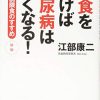
この本が書かれた当時、税率は5%、政権等は民主党だった。その民主党が自民党と同じように「5%を10%にする」と言っていた。果たして去年、税率は10%になった。
その時の論議も表面的なもので、消費税の本質に関する論議は起きなかった。この本は、消費税の具体的な解説ではない。(著者は別のところで詳しく分析している。)消費税の解説は概要だけだ。それよりもサラリーマン税制のほうが詳しいくらいである。
しかし、それだけでも消費税がどうして悪税7日は理解できるし、日本の税制全般についての概要を知ることができる。政権が大企業、金持ち、上流階級の代弁者である限り(政権というのはほぼ全てそういうものだが)、税制というのはその階層に有利なように変更されるのは当たり前である。
マスコミも政権の言いなりになっている現在の日本では、今回の増税のときもほとんどその内容に触れなかった。まるで既成路線だから仕方がないというように。それ(増税)によってみんなに少しずつの影響はあるが、死人が出るわけではない、というように。
しかし、現実にそれで多くの死者(自殺者)が出ているのだ。日本の労働人口の殆どはサラリーマンで、源泉徴収、年末調整で事が済むので、税金の制度には無関心だ。払うのも無関心、その税金の使われ方にも無関心だ。ましてや日本の税制について詳しく知ろうとなどしない。
学校でも、税については「国民の義務」だというくらいしか教えない。
皆さん、日本が、いやあなたが「崩壊」しないようにするためにも、この本や斎藤貴男の税に関する本を読むことをおすすめする。
⟨impressions⟩
"Why don't you get angry? ?
After 10 days, your salary will be reduced by 2%! !
Student pocket money and even child pocket money are reduced by 2%. The government will take it up! !
According to the National Tax Agency's private salary survey (unreliable), the average annual income for Japanese is 4.32 million yen. At 2%, 86,400 yen, the state will silently bring it unconditionally. You're blessed to think, "What is that?" In terms of number of people, there are many more people whose average annual income is below the average.
Everyone who watches a flyer every day and is laddering in a supermarket to buy milk, vegetables, and meat that are as cheap as 1 yen. Such efforts are wasted in Abe's words. His annual income is about 52.15 million yen (as of April 1, 2018). This is his annual income as Prime Minister. He seems to have more income, but I don't know. Find out who. Hiroto Nishikawa, president of Nissan Motors, has received a lot of tens of millions of yen, and he said, "I didn't know." In addition, he will remain a director for a while after resigning. Police prosecutors have no signs that they will move on charges of "breach of crime." Japan is strange. The rich are not guilty of doing anything. There are rumors that they do not pay income taxes using the special system. The income tax law is revised (bad) every year. In favor of high-income earners. Continue adding special cases to special cases. However, the media does not make such reports at all. (If you can read the law, please read it. I get angry.)
This is a scribble I wrote last year when the tax rate went up from 8% to 10%.
A criticism of the consumption tax is often referred to as "strong regression." Conversely, the pros say that "everyone is a consumer and fair."
But the essence of the consumption tax is not that much.
At the time this book was written, the tax rate was 5% and the administration was a Democratic party. The Democratic Party, like the Liberal Democratic Party, said, "5% to 10%." Last year, the tax rate was 10%.
The debate at that time was also superficial, with no debate as to the nature of the consumption tax. This book is not a concrete commentary on consumption tax. (The author analyzes it elsewhere in detail.) The explanation of the consumption tax is only an overview. The salaryman tax system is more detailed than that.
However, that alone can help you understand why the consumption tax is bad, and give you an overview of the Japanese tax system in general. As long as the administration is a large business, rich, or upper class spokesman (almost all of which are governments), the tax system is a natural change in favor of that class.
In Japan, where the press is also under the government's control, the press hardly touched on the details of the tax increase. It's as if it's a ready-made route. That (tax increase) has a small effect on everyone, but it doesn't mean that people die.
But in reality it is causing many deaths (suicides). Most of the working population in Japan is a salaried worker, who is not interested in the tax system as it can be withheld and adjusted at the end of the year. They are indifferent to pay, and indifferent to how their taxes are used. Even better, they don't want to know more about Japan's tax system.
Schools only teach about taxes as "national obligations."
Everyone, I would recommend that you read this book and Takao Saito's book on taxes to prevent you from "collapse".
"Why don't you get angry? ?
After 10 days, your salary will be reduced by 2%! !
Student pocket money and even child pocket money are reduced by 2%. The government will take it up! !
According to the National Tax Agency's private salary survey (unreliable), the average annual income for Japanese is 4.32 million yen. At 2%, 86,400 yen, the state will silently bring it unconditionally. You're blessed to think, "What is that?" In terms of number of people, there are many more people whose average annual income is below the average.
Everyone who watches a flyer every day and is laddering in a supermarket to buy milk, vegetables, and meat that are as cheap as 1 yen. Such efforts are wasted in Abe's words. His annual income is about 52.15 million yen (as of April 1, 2018). This is his annual income as Prime Minister. He seems to have more income, but I don't know. Find out who. Hiroto Nishikawa, president of Nissan Motors, has received a lot of tens of millions of yen, and he said, "I didn't know." In addition, he will remain a director for a while after resigning. Police prosecutors have no signs that they will move on charges of "breach of crime." Japan is strange. The rich are not guilty of doing anything. There are rumors that they do not pay income taxes using the special system. The income tax law is revised (bad) every year. In favor of high-income earners. Continue adding special cases to special cases. However, the media does not make such reports at all. (If you can read the law, please read it. I get angry.)
This is a scribble I wrote last year when the tax rate went up from 8% to 10%.
A criticism of the consumption tax is often referred to as "strong regression." Conversely, the pros say that "everyone is a consumer and fair."
But the essence of the consumption tax is not that much.
At the time this book was written, the tax rate was 5% and the administration was a Democratic party. The Democratic Party, like the Liberal Democratic Party, said, "5% to 10%." Last year, the tax rate was 10%.
The debate at that time was also superficial, with no debate as to the nature of the consumption tax. This book is not a concrete commentary on consumption tax. (The author analyzes it elsewhere in detail.) The explanation of the consumption tax is only an overview. The salaryman tax system is more detailed than that.
However, that alone can help you understand why the consumption tax is bad, and give you an overview of the Japanese tax system in general. As long as the administration is a large business, rich, or upper class spokesman (almost all of which are governments), the tax system is a natural change in favor of that class.
In Japan, where the press is also under the government's control, the press hardly touched on the details of the tax increase. It's as if it's a ready-made route. That (tax increase) has a small effect on everyone, but it doesn't mean that people die.
But in reality it is causing many deaths (suicides). Most of the working population in Japan is a salaried worker, who is not interested in the tax system as it can be withheld and adjusted at the end of the year. They are indifferent to pay, and indifferent to how their taxes are used. Even better, they don't want to know more about Japan's tax system.
Schools only teach about taxes as "national obligations."
Everyone, I would recommend that you read this book and Takao Saito's book on taxes to prevent you from "collapse".
[出演者(プロフィール)]
斎藤貴男(さいとう たかお) 1958年、東京都生まれ。ジャーナリスト。早稲田大学商学部卒業。英国バーミンガム大学大学院修了(国際学MA)。「日本工業新聞」記者、「プレジデント」編集部、「週刊文春」記者などを経て独立。 主な著書に、『消費税のカラクリ』(講談社現代新書、2010.7)、『機会不平等』(文春文庫、2004.2)、『梶原一騎伝――夕やけを見ていた男』(文春文庫、2005.8)、『安心のファシズム』(岩波書店、2004.7)、『ルポ改憲潮流』(岩波新書、2006.5)、『強いられる死――自殺者三万人超の実相』(角川学芸出版、2009.4)、『いま、立ち上がる――大転換に向かう“弱肉強食”時代』(筑摩書房、2009.12)、『経済学は人間を幸せにできるのか』(平凡社、2010.4)、『虚飾の経営者 稲盛和夫』(金曜日、2010.4)、『禁煙ファシズムと戦う』(小谷野敦・栗原裕一郎との共著、KKベストセラーズ、2005)など多数がある。
消費増税で、勤労者の生活は確実に破壊されるだろう。逆進性が強い消費税は、そもそもが弱い者いじめの税制だ。それなのに、大マスコミは政府・財界と一体になって提灯持ちの記事しか書かない。他に上げるべき税金はないのか、検討さえもしない。
国税収入全体に占める消費税の割合は、消費税率5%(内、国税は4%)の日本が22.1%、消費税率25%のスウェーデンがやはり、22.1%。
つまり、日本は現在の消費税率でスウェーデンと同じ割合の税収を確保している。だが、そんなことを決して大マスコミは伝えない。
いつもはなんでもアメリカと比べるくせに、消費税に関してはアメリカのアの字も出てこない。それもそのはず、アメリカには国税としての消費税はないのだ。逆進性が強く、徴税コストのかかる消費税は財政再建のための税制としては適当ではないと判断されているからだ。しかし、そんなことも大マスコミは決して伝えない。
輸出品は消費税を還付されるため、輸出企業は、消費税が上がると、そのぶん丸々儲かる。財界と一体となった政府が消費増税をたくらむはずだ。
「消費税は悪魔の税制だ」と著者は喝破する。強者が弱者から収奪する結果を必然とする「卑しすぎる税制」だとも。
こんな税金は絶対引き上げてはならないのだ。引き上げればどうなるか。自殺者5万人超、失業率10%超の恐怖の近未来が待っている。
「広く薄く公平な税」という虚妄に騙されてはいけない!
国税収入全体に占める消費税の割合は、消費税率5%(内、国税は4%)の日本が22.1%、消費税率25%のスウェーデンがやはり、22.1%。
つまり、日本は現在の消費税率でスウェーデンと同じ割合の税収を確保している。だが、そんなことを決して大マスコミは伝えない。
いつもはなんでもアメリカと比べるくせに、消費税に関してはアメリカのアの字も出てこない。それもそのはず、アメリカには国税としての消費税はないのだ。逆進性が強く、徴税コストのかかる消費税は財政再建のための税制としては適当ではないと判断されているからだ。しかし、そんなことも大マスコミは決して伝えない。
輸出品は消費税を還付されるため、輸出企業は、消費税が上がると、そのぶん丸々儲かる。財界と一体となった政府が消費増税をたくらむはずだ。
「消費税は悪魔の税制だ」と著者は喝破する。強者が弱者から収奪する結果を必然とする「卑しすぎる税制」だとも。
こんな税金は絶対引き上げてはならないのだ。引き上げればどうなるか。自殺者5万人超、失業率10%超の恐怖の近未来が待っている。
「広く薄く公平な税」という虚妄に騙されてはいけない!
[]