わたしたちはどこから来たのか
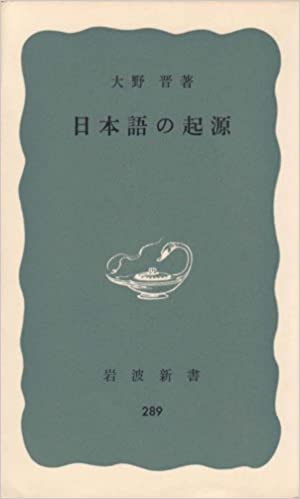
「私は〈なに〉なのか」に次ぐ重要な問いであり、「なに」を解く手がかりになるものです。それは、「生物学的に」どこから来たのか、ということと「文化的に」どこから来たのか、という2つの側面があります。そして、文化を形作る大きな要素が「言語」です。大野氏は日本語、とくにその起源についての第一人者のようです。
私は「起源」そのものには興味はありません。でも、「日本語」を知るためには、いくら日本語だけをひっくり返してもだめで、他の言語との比較によってのみ「日本語」の特徴が分かるわけです。その一つの手段として、「日本語」がどこから来たのか、が重要になります。
生物学的な「人間」はアフリカ大陸で発生して、世界中に広まった、ということになっています。その真偽はわかりません。まあ、寒い北極や南極で発生したとは考えにくいですが、新しい化石が発見されるたびに考古学の理論は変わります。また、今西錦司氏が考えていたように、一方向の目的性を持った「進化」などというものはないでしょう。
言語学者は生物学者に比べると「進化論的」な考え方は顕著ではないかもしれません。ただ、西欧論理学的な思考のもとにあるという点では、すこしも違いがありません。大野氏の比較言語学理論は、独自なもので、西欧の比較言語学の変更を迫るものと感じました。でも、それは論理ゲームのルールを変更するもので、ゲームそのものは少しも変わらないのです。
日本語の母音が8個であったことなどは、とても新鮮で面白いです。新しい「規則(ルール)」を発見することで、そのルールを使えば、日本の古典の解釈も「簡単」になる、という「便利」なものです。「知る」ことによって「わかって納得する」というのはとても気持ちいいものです。何か「事件」が起こったとき、裁判所はもとより、マスコミがこぞって「どうしてその犯罪が行われたのか」「犯人はどう思っていなのか(動機は何だったのか)」から始まって「近所の人はどう感じていたのか」「家庭環境はどうだったのか」「どういう子供だったのか」と根掘り葉掘り報道します。そして、その境遇が違えば「自分のことじゃない」と安心し、同じところがあれば「自分のまわりにも犯人(になりそうな人)がいる」「自分も犯行を犯していたかもしれない」と恐怖心に囚われます。結果として、「個人の自由」を制限する法律が成立したり、「監視カメラ」が増えたりします。
なぜ知りたいのか、知って安心したいのか。犯人が「母子家庭だった」「児童福祉施設の出身者だった」という報道がどういう影響があるのかは皆さんご存じでしょう。「簡単」に知ることができる(自分で苦労しなくても、犯人の経歴が分かる、など)としても、「理解した」「分かった」ということは別ですよね。「人間、そんな単純なものじゃない」ということは、誰もが分かっている(経験している)ことです。
「便利」というのは、仏教用語で「お通じがいい」という意味だったそうです。「知る・分かる」となんか、気持ちがいいというのは大小便のあとの「すーっ」「ほっ」とする感じと共通ですよね。英語では「useful」かと思っていたのですが、「convenient」という意味が強いようです。「近くて便利」というCMは「なるほど」と思いました。
日本語を印欧語(インド・ヨーロッパ語)に当てはめて「主語がない」とか「論理的じゃない」とか貶める理論がある一方で、「主語は述語の中にある」とか「日本語も十分論理的だ」とか、印欧語と「同等」に扱おうとする理論もあります。でも、なぜ「主語」や「述語」や「目的語」や「名詞」や「動詞」がはっきりしていないとだめなのでしょうか。もっというと、なぜ「論理的」じゃなければだめなのでしょうか。明らかなのは品詞や文法は、それがはっきりとした言語、つまり印欧語の表現にしかすぎないということです。論理も同じで、印欧語に則っているのが論理なのです。ロジックは「ロゴス(言葉)」なのですから。
たまたま印欧語には「主語なるもの」があった、ということで、日本語に主語がなくても当たり前なのです。印欧語に主語があるのが当り前であるのと同じです。どちらが「正しい」とか「まちがっている(おかしい)」ということではありません。まして、「優れている」「劣っている」ということではありません。
人の力
「大陸」あるいは「朝鮮半島」から「優れた文化(を持った人)」が渡ってきたのでしょうか。日本はその文化に負けて従来の文化を失ったのでしょうか。別にそう「思う」人がいてもいいのですが、それは英語(印欧語)を話す人は偉い、ヨーロッパは優れている、というのと同じではないでしょうか。敗戦後75年、明治維新から150年、いまだに「日本」あるいは「日本語」が「劣っている」と思っている人は少ないと思いますが、「日本語の主語」とか「ロンリのちから」とかいう言説は跡を絶ちません。(もちろん、「Japan as No.1」とか「日本人は優れている」とか「美しい国、日本」などというのは論外ですが。)
このことをちゃんと「意識」した上じゃないと、どんな言説もおかしなことになります。それを踏まえた上での「論理的叙述」は、「西欧論理」を「理解」したり「西欧論理」に「対抗」するためには必要です。
「論理(西欧論理、印欧論理)」に「非論理(日本論理)」で対抗することは可能でしょうか。むずかしいですね。「論理ゲーム」という土俵に載りながら、その土俵を崩すわけです。それができたとしても、落っこちてしまいます。同じ土俵にいるうちは、「力の強い」ほうが勝ちます。いま、「先進諸国」なる国々が「武力」や「経済力」で世界を支配している構図です。丸腰で、核兵器をもつ相手と戦うのは怖いです。
著者の意図とは別ですが、この本に書かれていることを参考にしてみましょう。弥生式文化の時代に南朝鮮から渡ってきた人々がどういうつもりで来たのかはわかりません。彼らを日本に住んでいる人々はたぶん受け入れました。文化も技術も言葉も受け入れました。混血も進みました。その背景には「武力」による強制があったかもしれません。なかったのかもしれません。どちらにしろ、人と人が交流したのです。私は、それこそが「ちから」であり「生きるということ」なんじゃないかな、と思います。
現在無職の私は、最近、ワイドショー(「情報番組」というらしい)をよく観ます。朝から夕方まで殆どの局でワイドショーをやっています。それ以外は昔のドラマの再放送が多いでしょうか。上記の犯罪の話や、芸能人の浮気など、視聴者の「知りたい」という要求に答えています。それと同時に「知りたいと思っていなかった」情報もどんどん流されます。その情報の洪水の中では、「事実」や「真実」なるものは、ほとんど意味を持ちません。しかし、視聴者の反応で商品が売れたり、都議会議員が辞職したりします。葬られた芸能人などは数え切れないでしょう。それこそが大衆の〈力〉です。芸能人をスターにするのも大衆の〈力〉であるように。それを「大衆は操られている」とか「洗脳されている」とか、「大衆は愚鈍だ」とか言うことは〈力〉になりません。私も大衆の一人ですから、美味しそうな冷凍餃子の情報があれば「あれ食べたい。買って!」といいます。「ワクチンを2回じゃなくて3回?薬の飲みすぎはいけないんじゃなかったっけ?用量用法を守りましょう」といいます。でも、私は「1票」ではありません。「数」や「部分」ではありません。〈全体〉でないとすれば、〈部分〉でもないのです。私は、「渦状紋」で「B型」です。でも、「指紋示数の0.001」じゃないし、「ABO式示数の0.001」でもありません。あえて「1」という数字を使えば、「1人の渦状紋」であり「1人のB型」です。〈全体〉は〈部分が集まったもの〉ではないのです。
母音調和または音韻論(になっているかな?)
母音と子音という区別は、アルファベットを使っている人には当たり前です。でも、日本では当り前ではありません。「あいうえお」「かきくけこ」・・・というのは、西欧人の発想で、日本人には「いろはにほへと」です。ローマ字で書くと「aiueo」「kakikukeko」ですが、〈「あ」「a」〉と〈「か」「ka」のなかの「a」〉は違うと思います。
「ひらがな」は表音文字だ、と言われることがあります。では、ひらがなをしらない人に「あ」と「か」の文字を示して、「共通点は何でしょう」と聞いてみてください。「aの音が含まれている」と答える人はいません。たぶん。「a」「ka」と読むんだよ、と教えても、「??」と思われるかもしれません。もっともアルファベットの「A」を、なぜ「〈ア〉(あるいは〈エイ〉)と読む」のかを知っている欧米人がどのくらいいるのでしょうか。
『A is for Ox』 by Barry Sanders という本があります。「A」は「アレフ」、牛(ox)の象形文字から来ています。
「あさ(朝)」「いし(石)」はそれぞれ二つの母音「a」と「i」が含まれているでしょうか。「あした(明日)」の「し」は「shi」でしょうか。私は「ashta」あるいは「ashtə」と発音します。もし、私のように「i」を発音しない人がいらっしゃったら、今度は少しずつゆっくり発音してみてください。「a-sh-t-a」「a〜sh〜t〜a」がいつか「a〜sh〜i〜t〜a」となるかもしれません。どのくらいで「i」が入るかは人によって違うと思います。ひょっとすると、私よりアルファベットに親しんでいる若い世代や、パソコンのアルファベット入力を行っている人は早いかもしれません。もしそうなら、発音が文字に影響されているという例になります。
日本人は「さしすせそ」が「sashisuseso」で、「はひふへほ」が「hahifuheho」なのを、もっと「可怪しい」と感じてもいいのではないでしょうか。
「あさ」は「a−s-a」と発音されるのではなくて、「a----」という音の途中に「sh」が入り込んできているような気がします。大切なのは、音のつながりではなく、始まり、終わり、変化なのです。暗闇の静寂の中で、小声で、息だけで「ひそひそ話」をするのと、口を閉じることなく固定して話をするのと、どちらがわかりやすいですか。前者ですよね。中世まで、聖書はラテン語で「子音のみ」が書かれていたと聞いたことがあります。当時は「読む」というのは「声に出す」ということでしたから(黙読はずっとあと)、読み手はつねに母音を挿入しながら読んでいました。それを、教会による「聖書の独占」と言われることがありますが、もうちょっと別の意味がありそうです。まあ、「母音のみ」で書かれていたとすれば読むのはすごく困難だったと想像されますが。
私は外国語は一カ国語も話せませんが、欧米でアルファベットの綴通りに発音しているのはラテン語とその現代版のイタリア語、あるいはせいぜいドイツ語辺りまでで、フランス語や英語はかなり違いますよね。それは、もともとの言葉にアルファベットを当てはめたからじゃないでしょうか。そして、アルファベットを当てはめることで、もともとの言葉が変化した可能性があります。
古代日本語についても、文字(漢字とそこから変化したカナ)が発音に影響を与えた可能性があります。
「母音調和」という考え方は、あくまでも印欧語、あるいはアルファベットを基準にした考え方にすぎません。単語の冒頭の母音「a(iueo)」が、単語中、単語の末尾へ影響を与えるという考え方です。それを、「あーーー」という音の変化が単語だと考えると、当り前だということになりませんか。単語によっては「あーーーお」という変化や「あーーおーーう」という変化になって、それが子音でさらに変化するのです。文章は単語の集合ではありません。全体で一つの意味を表します。だから、母音調和が文章全体に及ぶのは不思議ではありません。文章全体が「あーーーーーー」という流れで、それが変化し、子音が加わって全体の意味があらわれるのです。
動物の鳴き声と、人間の言葉のおおきな違いはそのへんにあります。いかに音を出すかよりも、それをいかに制限するかということです。
その「母音調和」を印欧語以外に適用するときには注意が必要だと思います。「印欧語でいえば」という前置きが必ず必要なのです。
文章を単語に分け、単語を音韻に分解するという発想そのものが西欧的です。空気を酸素と窒素に分け、酸素を酸素原始に分け、原子を素粒子に分ける、という発想は西欧的だと思います。リンゴを二つに切ったとき、二つの部分になるという発想が西欧的なのです。その時の「リンゴ(全体)」と「半分のリンゴ(部分)」は「階層(あるいは次元)」が異なる概念になります。私は〈半分のリンゴなるもの〉、つまり一つの〈全体〉が二つあると考えます。ぎゃくに、「リンゴ1個とみかん1個」は「くだもの2個」ではなくて「あくまでも、〈リンゴ1個とみかん1個〉の〈全体〉が1個」と考えることも可能です。
「全体」と「部分」を別の階層で考えると、さまざまな問題が起こってきます。たとえば、〈種〉の進化と〈個体〉の変化、量子力学と流体力学などです。そして、その〈再統合〉ためのさまざまな努力が重ねられます。「統計学」や「確率論」はその一つです。〈系〉とか〈場〉とかの考え方もそうです。言語学では、音韻論から文法、修辞学、テクスト解釈という動きがありますが、結局「訳がわからなく」なってしまっているように思います。統合行為によって、分析行為が〈無意味化(相殺)〉されているようです。単語の集まりが文なのではないし、文の集まりがテクストなわけでもないからです。
西欧で「全体」と「部分」を別の階層で考えるのは、言い換えれば、〈社会〉と〈個人〉を(もっといえば〈他者〉と〈自己〉を)別の階層で考えるということです。その再統合として、選挙制度、平均寿命、幸福度指数、などがあげられますが、選挙で〈個人〉の意志が実現するなどというのは幻想ですし、平均寿命で死ぬ人はいないし、幸福度指数が高い国に行けば幸せになるわけでもありません。それらは、フーコのいう「統治学(ポリツァイ)」となります。
フラクタル図形や曼荼羅は西欧にとてはとても異質な考えです。これを単に〈系〉と捉えると本質を見逃します。ベンサムの考えは幸福を数値化して、統計できるという西欧の発想の正当な流れです。「数値化」や「比較」は、全体と部分の発想です。
強い「〈個〉人」、強い〈自我〉の存在がこの現象を生み出していますが、それはまさしく「主語=述語構造」「主体=客体構造」という印欧語の文法構造とおなじです。
大野氏は(いろいろな批判を受けながらも)日本語学の第一人者になります。日本語は「〇〇語と〇〇が似ている」「日本語は××系統だ」「〇〇は似ているが××が違うのは△△のせいだ」とかいうのは、論理パズルとしては面白いのですが、日本語が「クレオールタミル語」だとしても、それで「日本語がわかった」ということには少しも近づいていない気がしてなりません。少なくとも、私の問題意識とはすれ違っています。西欧の比較言語学の理論は「多少修正して」、日本語にも適用できることがすごいのではなく、日本語に適用できない、あるいは、適用するには修正が必要だ、ということこそが、日本語を理解する道、日本語の本質だと思います。
Where did we come from?
This is the second most important question after "What am I?" And is a clue to solve "What". It has two aspects: "biologically" where it came from and "culturally" where it came from. And the big element that forms the culture is "language". Mr. Ohno seems to be a leading expert on Japanese, especially its origin.
I'm not interested in the "origin" itself. However, in order to know "Japanese", no matter how much you turn over Japanese, you can only understand the characteristics of "Japanese" by comparing it with other languages. As one of the means, it is important where "Japanese" came from.
Biological "humans" are supposed to have originated on the African continent and spread all over the world. I don't know the truth. Well, it's unlikely that it happened in the cold Arctic or Antarctica, but archaeological theory changes as new fossils are discovered. Also, as Mr. Kinji Imanishi thought, there would be no such thing as "evolution" with a one-way purpose.
Linguists may not be as prominent in their "evolutionary" thinking as biologists. However, there is no difference in that it is based on Western logical thinking. I felt that Mr. Ohno's theory of comparative linguistics was unique and urged a change in comparative linguistics in Western Europe. But it changes the rules of the logic game, and the game itself doesn't change at all.
The fact that there were eight Japanese vowels is very fresh and interesting. By discovering a new "rule", it is "convenient" that the interpretation of Japanese classics becomes "easy" if the rule is used. It is very pleasant to "understand and be convinced" by "knowing". When something "incident" happened, not only the court but also the media all started with "why the crime was committed" and "what the criminal thinks (what was the motive)" and "in the neighborhood". We will report on how people felt, how the family environment was, and what kind of child they were. And if the circumstances are different, I feel relieved that "it is not me", and if there is the same place, "there is a criminal (a person who is likely to be) around me" "I may have committed the crime too. I am trapped in fear. As a result, laws restricting "individual freedom" will be passed, and "surveillance cameras" will increase.
Why do you want to know and do you want to be relieved to know? Everyone knows how the news that the criminal was "a single-mother family" and "a person from a child welfare institution" had an effect. Even if you can know "easily" (such as knowing the criminal's career without having to struggle yourself), "understanding" and "understanding" are different. Everyone knows (experiences) that "human beings are not that simple."
"Convenient" is a Buddhist term that means "well-known." "Knowing and understanding" feels good in common with the feeling of "soo" and "relief" after stool. I thought it was "useful" in English, but it seems to have a strong meaning of "convenient". I thought that the commercial that was "close and convenient" was "I see."
While there are theories that apply Japanese to Indo-European languages (Indo-European) and despise "there is no subject" or "it is not logical", "the subject is in the predicate". There is also a theory that "Japanese is logical enough" or that it is treated as "equivalent" to Indo-European. But why is it necessary to clarify the "subject", "predicate", "object", "noun", and "verb"? What's more, why shouldn't it be "logical"? What is clear is that part of speech and grammar are just expressions of a clear language, the Indo-European language. The logic is the same, and it is the logic that follows the Indo-European language. Logic is "logos (words)".
It happened that there was a "subject" in Indo-European language, so it is natural that there is no subject in Japanese. It is the same as it is natural that Indo-European has a subject. It does not mean which is "correct" or "wrong". Moreover, it does not mean "excellent" or "inferior".
Human power
Is "excellent culture (people with)" coming from the "continent" or "Korean Peninsula"? Did Japan lose that culture and lose its traditional culture? It's okay to have someone who "thinks" that way, but I think it's the same as saying that English (Indo-European) speakers are great and Europe is good. 75 years after the defeat, 150 years after the Meiji Restoration, I think that few people still think that "Japan" or "Japanese" is "inferior", but "the subject of Japanese" or "the power of Ronri". There is no end to the discourse. (Of course, "Japan as No. 1", "Japanese are excellent", "Beautiful country, Japan", etc. are out of the question.)
I was "conscious" of this properly. If not above, any discourse will be strange. Based on that, "logical description" is necessary to "understand" "Western European logic" and "counter" "Western European logic".
Is it possible to counter "logic (Western European logic, Indo-European logic)" with "non-logical (Japanese logic)"? It's difficult. While being on the ground of "logic game", it breaks that ground. Even if it can be done, it will fall. As long as you are on the same level, the "stronger" wins. Now, the composition is that the "developed countries" dominate the world with "armed force" and "economic power". It's scary to fight against an opponent with nuclear weapons with a round waist.
It's not the author's intention, but let's refer to what is written in this book. I don't know what the people who came from South Korea intended to come during the Yayoi period. People living in Japan probably accepted them. I accepted culture, technology and language. Mixed race also progressed. There may have been coercion by "armed force" in the background. Maybe it wasn't. Either way, people interacted with each other. I think that is "power" and "living".
I'm currently unemployed, and recently I often watch wide shows (called "information programs"). Most stations have variety shows from morning till evening. Other than that, are there many reruns of old dramas? We are answering viewers' "want to know" requests such as the above crime stories and celebrity affairs. At the same time, information that "did not want to know" is being released more and more. In that flood of information, "facts" and "truths" have little meaning. However, the reaction of the viewer may sell the product or the member of the Tokyo Metropolitan Assembly may resign. There will be countless entertainers buried. That is the "power" of the masses. Just as it is the "power" of the masses to make entertainers stars. To say that "the masses are being manipulated", "being brainwashed", or "the masses are stupid" is not "power". I am also one of the masses, so if you have information on frozen dumplings that look delicious, you can say "I want to eat that. Buy it!". "Don't take the vaccine three times instead of two? You shouldn't take too much medicine? Let's follow the dosage regimen." But I'm not "1 vote". It is not a "number" or a "part". If it is not "whole", it is not "part". I am a "spiral crest" and a "B type". However, it is neither "fingerprint index 0.001" nor "ABO blood group 0.001". If you dare to use the number "1", it is "one person's spiral crest" and "one person's B type". "Whole" is not "a collection of parts".
Vowel harmony or phonology (is it?)
The distinction between vowels and consonants is commonplace for those who use the alphabet. But it's not commonplace in Japan. "Aiueo", "Kakikukeko" ... is a Western idea, and for Japanese people, it is "Irohanihoheto". Written in romaji, it is "aiueo" and "kakikukeko", but I think that "a" in "a" and "ka" are different from "a" in "ka" and "ka".
It is sometimes said that "Hiragana" is a phonetic character. Now, show the letters "a" and "ka" to those who don't know hiragana and ask, "What do they have in common?" No one answers "the sound of a is included". perhaps. Even if you tell them to read "a" and "ka", you may think "??". But how many Westerners know why the alphabet "A" is why "read as << a >> (or << ray >>)"?
There is a book called "A is for Ox" by Barry Sanders. The "A" comes from the hieroglyph of "Aleph", the cow (ox).
Do "Asa (morning)" and "Ishi (stone)" contain two vowels "a" and "i" respectively? Is the "shi" of "tomorrow (tomorrow)" "shi"? I pronounce it "ashta" or "ashtə". If someone like me doesn't pronounce "i", try pronouncing it slowly and slowly. "A-sh-t-a" and "a-sh-t-a" may become "a-sh-i-t-a" someday. I think that how much "i" is included depends on the person. Perhaps the younger generation, who are more familiar with the alphabet than I am, and those who are typing the alphabet on a personal computer may be early. If so, the example is that pronunciation is influenced by letters.
For Japanese, "sashisuseso" is "sa sh isuseso" and "hahifuheho" is "hahi f uheho "may be more" suspicious ".
"Asa" is not pronounced as "a-s-a", but "sh" is inserted in the middle of the sound "a ----". I feel like. What matters is not the connection of sounds, but the beginning, the end, and the change. In the silence of the darkness, which is easier to understand, quietly speaking with just your breath, or talking with your mouth fixed without closing your mouth? It's the former, isn't it? Until the Middle Ages, I've heard that the Bible was written in Latin as "consonants only." At that time, "reading" meant "speaking out" (silent reading was a long time later), so the reader always read while inserting vowels. It is sometimes referred to as the "monopoly of the Bible" by the church, but it seems to have a slightly different meaning. Well, if it was written in "vowels only", it would have been very difficult to read.
I can't speak a single foreign language, but in the West, the only pronunciations in the alphabet are Latin and its modern version of Italian, or at most German. , French and English are quite different, aren't they? Isn't it because the alphabet was applied to the original words? And by applying the alphabet, the original language may have changed.
In ancient Japanese as well, the characters (Chinese characters and the kana that changed from them) may have affected the pronunciation.
The idea of "vowel harmony" is nothing more than an idea based on Indo-European or alphabet. The idea is that the vowel "a (iueo)" at the beginning of a word affects the end of the word in the word. If you think that the change in the sound of "ahhh" is a word, isn't it natural? Depending on the word, it may change to "ahhhhh" or "ahhhhh", and that changes further with consonants. A sentence is not a set of words. It represents one meaning as a whole. So it's no wonder that vowel harmony extends throughout the text. The whole sentence is in the flow of "Ahhhhhhh", and that changes, and consonants are added to reveal the whole meaning.
There is a big difference between animal calls and human language. It's more about limiting it than how it makes sound.
I think you need to be careful when applying that "vowel harmony" to languages other than Indo-European. The preface "Speaking in Indo-European" is absolutely necessary.
The idea of dividing a sentence into words and breaking down the words into phonologies is Western-style. I think the idea of dividing air into oxygen and nitrogen, oxygen into oxygen primitives, and atoms into elementary particles is Western. The Western idea is that when an apple is cut in two, it becomes two parts. At that time, "apple (whole)" and "half apple (part)" have different concepts of "hierarchy (or dimension)". I think there are two "half apples", that is, one "whole". It is also possible to think that "1 apple and 1 mandarin orange" is not "2 fruit" but "1 apple and 1 mandarin orange" and 1 "whole".
If you think about "whole" and "part" in different layers, various problems will arise. For example, the evolution of "species" and the change of "individuals", quantum mechanics and fluid mechanics. And various efforts are made for that "reintegration". "Statistics" and "probability theory" are one of them. The same is true of the idea of "system" and "place". In linguistics, there are movements from phonology to grammar, rhetoric, and text interpretation, but in the end, I think that it has become "incomprehensible." It seems that the act of analysis is "neutralized (offset)" by the act of integration. This is because a collection of words is not a sentence, and a collection of sentences is not a text.
In Western Europe, thinking of "whole" and "part" at different levels is, in other words, "society" and "individual" (more specifically, "other" and "self"). It means thinking at another level. The reintegration includes the election system, life expectancy, happiness index, etc., but it is an illusion that the will of "individual" will be realized in the election, no one will die in life expectancy, and happiness. Going to a country with a high degree index does not make you happy. They are what Fuko calls "political science".
Fractal figures and mandalas are very different ideas for Western Europe. If you think of this as simply a "system", you will miss the essence. Bentham's idea is a legitimate flow of the Western idea that happiness can be quantified and statistic. "Quantification" and "comparison" are the ideas of the whole and the part.
The existence of a strong "individual" person and a strong "ego" creates this phenomenon, which is exactly the grammatical structure of the Indian and European languages "subject = predicate structure" and "subject = object structure". It is the same.
Mr. Ohno will be a leading expert in Japanese linguistics (although he has received various criticisms). Japanese is a logic puzzle that says "○○ is similar to 〇〇", "Japanese is XX system", and "○○ is similar but XX is different because of △△". It's interesting, but even if Japanese is "Creole Tamil", I don't feel like I'm not at all close to "I understand Japanese". At least, it's not my awareness of the problem. The theory of comparative linguistics in Western Europe is "slightly modified", and it is not amazing that it can be applied to Japanese, but it cannot be applied to Japanese, or it needs to be modified to apply it. I think the way to understand words is the essence of Japanese.
[著者等(プロフィール)]
大野/晋
1919年、東京に生まれる。1943年、東京大学文学部国文学科卒業。専攻、国語学。
〈書抜〉
はじめに
Ⅰ 日本人とアイヌと
1 日本人のはじめ
2 アイヌは本州に住んでいたか
3 アイヌは日本人と同じ人種か
(P.17)__人種って何?
4 日本人の地方差とアイヌ
5 アイヌ文化と日本文化
6 アイヌ語は日本語と同系か
「ではアイヌ語は、日本語に、何も寄与しなかったのかといえば、彼らは衰えていく文化をいとなんでいたために、農業をもった日本文化に対して多くの影響を与えることはなかったが、ラッコ、アツシ、トド松、カニバ(桜皮)など、北方特有の物産の名と、東北地方の地名において、その足あとを残しているというわけである。」(P.50)__ひどい優越感。差別感。
Ⅱ 日本の東部と西部と
1 東と西の言葉の違い
2 昔も東と西で言葉が違っていた
3 大昔は東と西に違った文化があった
4 西部日本と南方文化
Ⅲ 南方に日本語の親戚があるか
1 どんな言語を親戚というか
2 琉球語は日本語の兄弟である
3 高砂族の言語とマライ-ポリネシア語
4 モン-クメール語の代名詞と人体語
5 チベット-ビルマ語は親戚といえるか
(C・K・パーカー)「そこでは人種を、一本の木の枝が分かれていくようなものとは見ず、一つの分布帯と見ようとする。そして、人類の進化の中心であった中央アジアから八方に押し出された人間からなる人間の分布に注目し、アジア大陸の東の端にいる日本人は、南方アジアの広大な地域から押し出された人間が行きついたところと考える。」(P.109)__土器などが見つからないからといって、人間が住んでいなかったということにはならない。
「文化の低い民族」(P.112)__差別意識丸出し。
6 レプチャ語は万葉語と同じ言葉か
Ⅳ 古代日本語とアルタイ語・朝鮮語
1 弥生式文化と朝鮮語
2 アルタイ語の特徴と母音調和
3 橋本進吉博士による発見
4 古代日本語の母音調和の発見
5 日本語とアルタイ語
6 日本語と朝鮮語
7 南方語と北方語ーー日本語の成立
Ⅴ 探索はつづく
1 基礎語は一定の速さで代わっていく
2 どんな単語を比較したらよいか
3 意味の対応の型を見出そう